Event Services

The Ultimate Guide to Live Video Production: A Deep Dive

Live video production has become an essential component of modern media, transforming how we engage with real-time content. From live sports broadcasts and concerts to webinars and corporate events, the ability to produce and stream live video content has opened up new avenues for communication, entertainment, and marketing. In this in-depth guide, we’ll explore what live video production entails, its key components, and the best practices for executing a successful live broadcast.

Understanding Live Video Production

At its core, live video production involves the real-time creation and broadcasting of video content. Unlike pre-recorded video, which can be edited and polished before release, live video demands precision and quick thinking. The goal is to deliver a seamless and engaging experience for the audience, often requiring a well-coordinated effort from a team of professionals.

Key Components of Live Video Production

Live video production is a multi-faceted process that includes several crucial stages and elements. Let's break down each component:

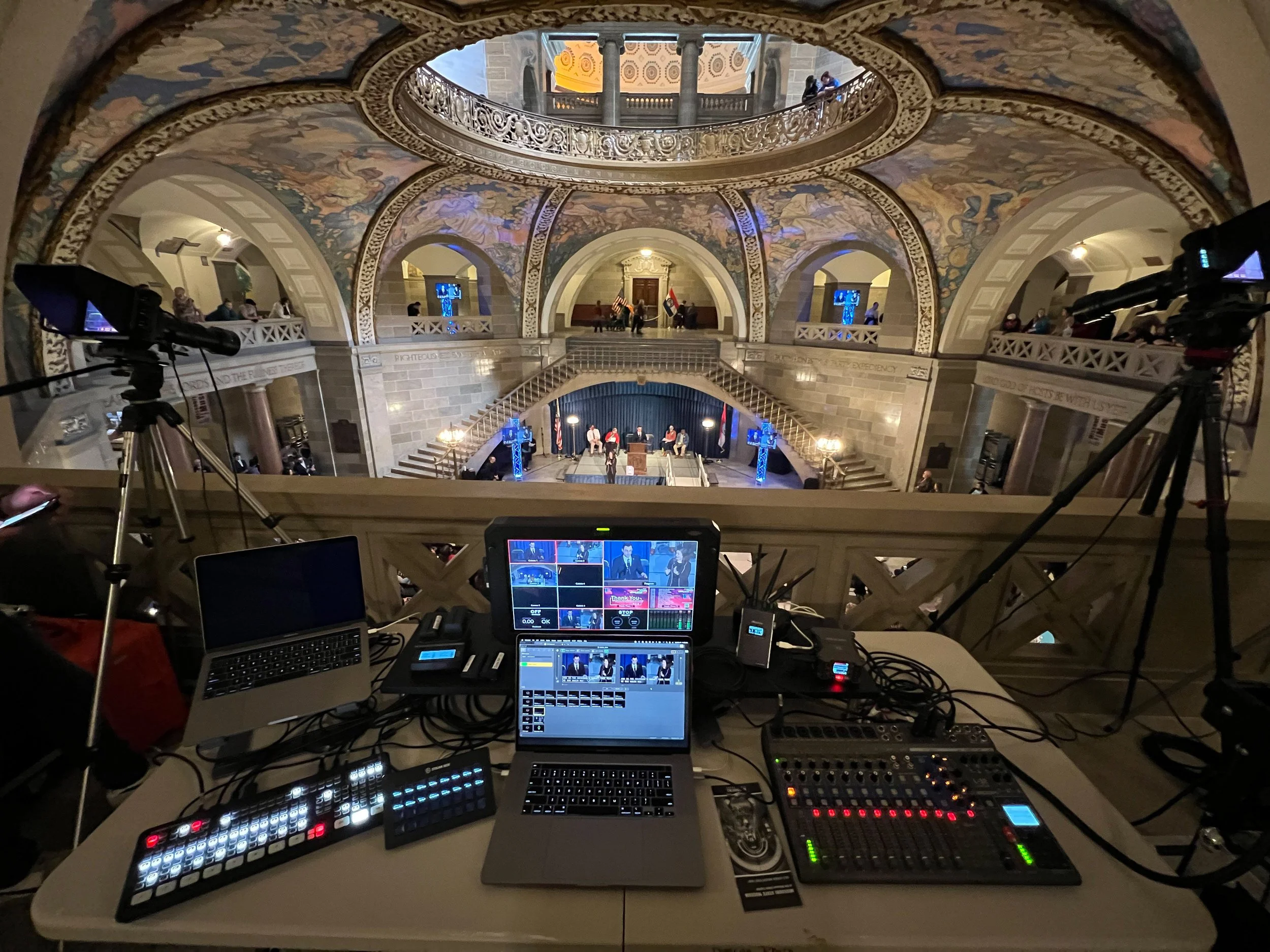
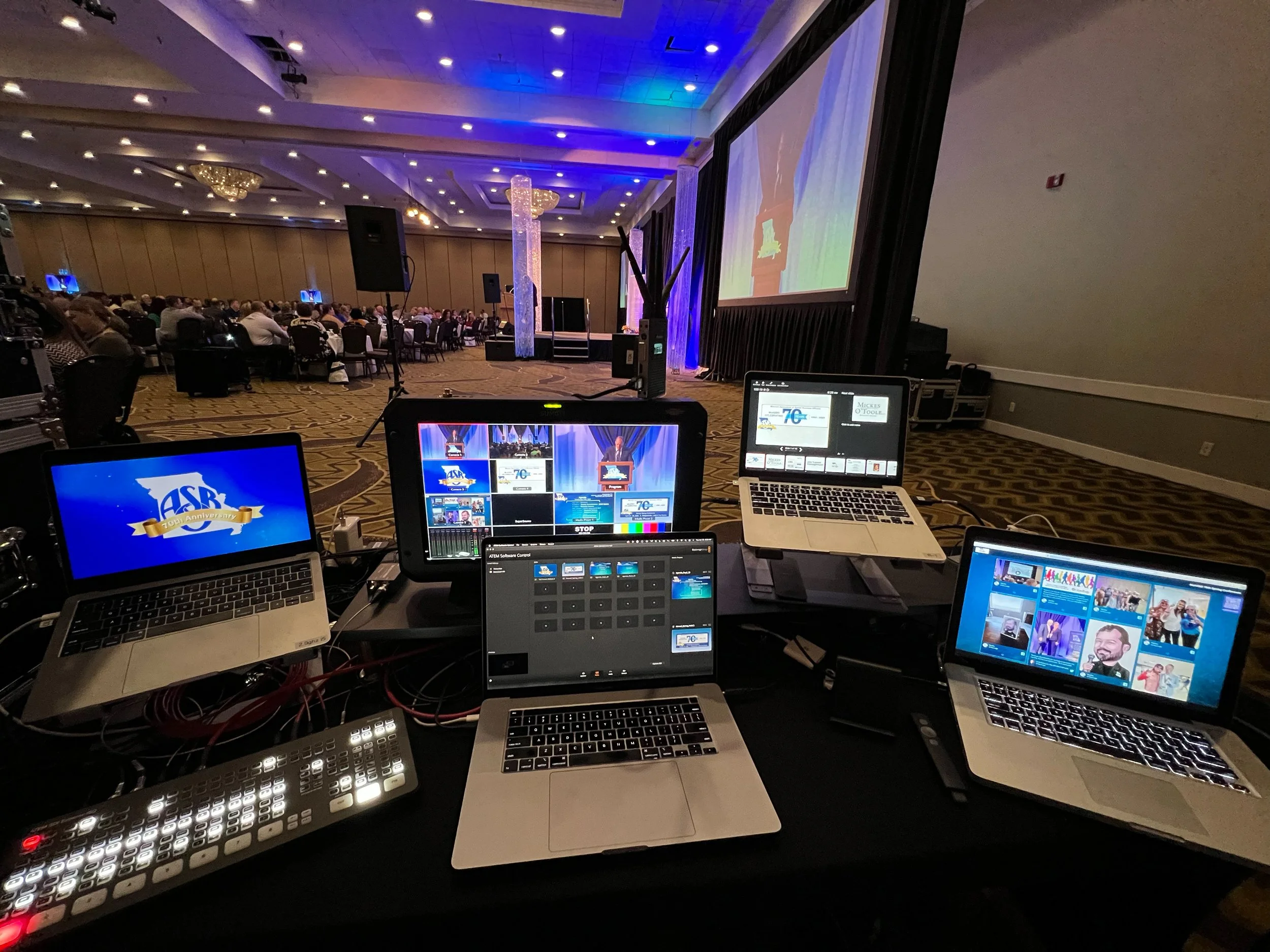
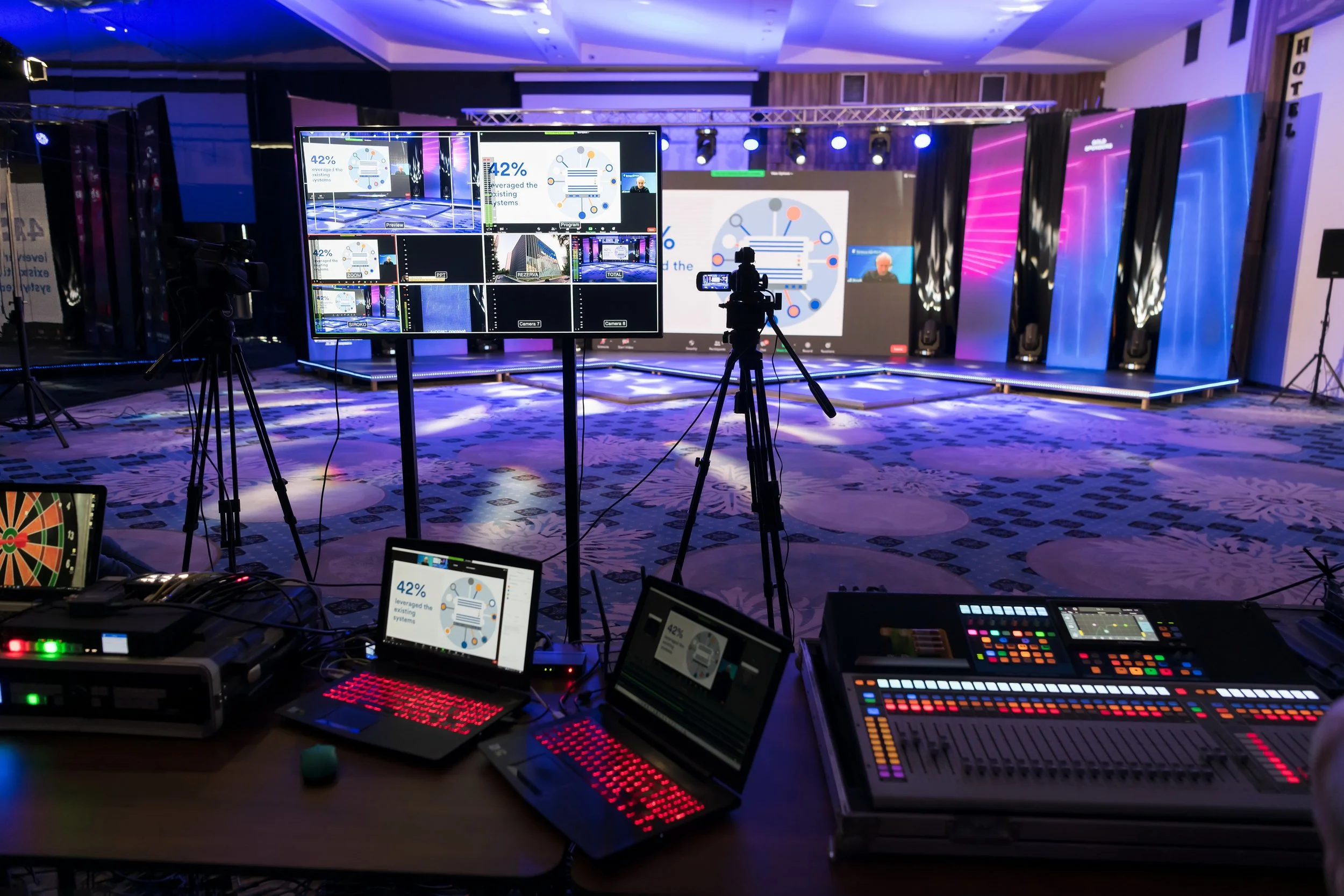
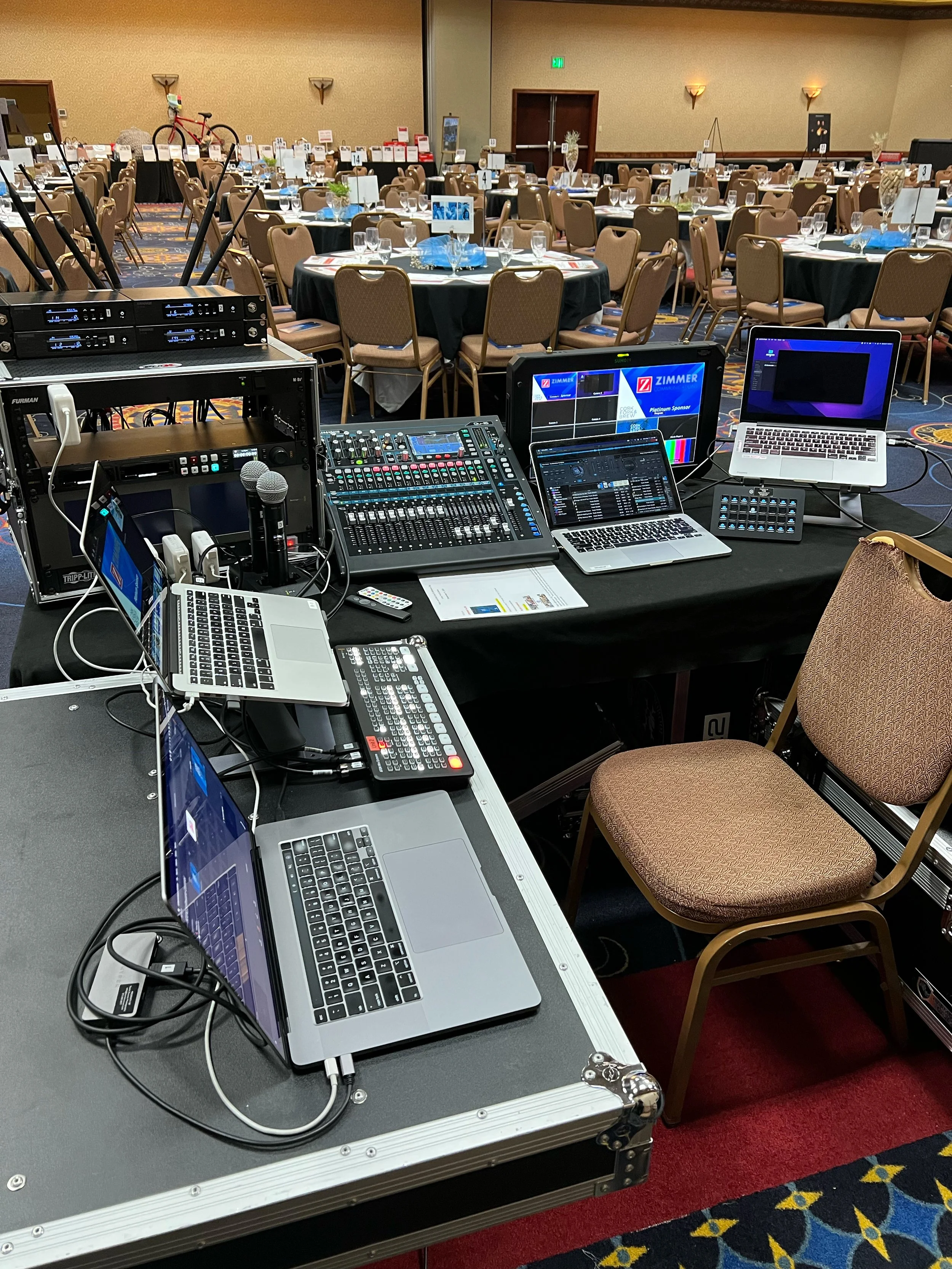
Four laptop computers and a multi-view monitor controlling a live keynote production

1. Pre-Production Planning

Concept Development: The first step in any live video production is to define the concept. This involves understanding the purpose of the broadcast, finding your target audience, and then zero in on your key messages. Whether it’s a product launch, a live performance, or a corporate seminar, having a clear vision is essential.

Scriptwriting: While live broadcasts are inherently dynamic, having a script or a run-of-show outline, helps guide the production. This script includes key points, transitions, and cues for the production team, ensuring everyone is on the same page.

Logistics: Successful live productions require meticulous logistical planning. This includes selecting and securing locations, scheduling rehearsals, obtaining necessary permits, and coordinating the availability of talent and crew. Planning also involves contingency measures for potential technical issues or other disruptions.

2. Equipment Setup

Cameras: Multiple cameras are typically used in live video production to capture different angles and perspectives. Camera operators must be skilled in framing shots, following action, and adjusting settings on the fly to maintain high-quality visuals.

Audio: Prestine audio is equally as important as video. Microphones (lavaliers, handhelds, and podium mics), audio mixers, and sound engineers ensure that the audio is clear, balanced, and free from interference. In live events, wireless systems are often employed to provide mobility.

Lighting: Professional lighting greatly improves the overall quality of the broadcast. This involves setting up key lights, fill lights, and backlights to create depth and dimension. Lighting setups must be adaptable to different environments and conditions, whether indoors or outdoors.

Switchers: Video switchers are essential tools in live production, allowing the director to switch between camera feeds, add graphics, and manage transitions in real-time. This equipment is crucial for maintaining a dynamic and engaging broadcast.

Streaming Equipment: To deliver the live feed over the internet, encoders and streaming devices are used. These convert the video and audio signals into a format suitable for online streaming, ensuring a smooth and reliable broadcast to platforms like YouTube, Facebook Live, or Twitch.

3. Live Production

Directing: The director plays a pivotal role in live video production, making real-time decisions on camera angles, transitions, and overall flow. The director communicates with camera operators, audio engineers, and graphics operators to orchestrate the broadcast seamlessly.

Camera Operation: Camera operators must be adept at capturing the action as it unfolds. They follow the director’s cues to ensure the best possible shots are obtained, whether it’s a close-up of a speaker, a wide shot of an audience, or a dynamic tracking shot.

Audio Mixing: The audio engineer monitors sound levels throughout the broadcast, making adjustments as necessary to maintain proper levels and a balanced mix. This involves managing multiple audio sources, including microphones, background music, sound effects and more.

Graphics and Overlays: Graphics operators add visual elements such as titles, lower thirds, logos, and other overlays to enhance the broadcast. These elements provide context, highlight key information, and add a professional touch to the production.

Streaming and Broadcasting: The final step in live production is streaming the encoded video feed to the chosen platform. This requires a stable internet connection and often involves using streaming software to manage the broadcast.

4. Post-Production (if applicable)

While post-production is less common in strictly live broadcasts, it can play a role in creating highlights or on-demand versions of the live content. This involves editing recorded footage to remove any errors, adding additional graphics or effects, and optimizing the video for playback on various devices.

Best Practices for Successful Live Video Production

To ensure a successful live video production, consider the following best practices:

Thorough Rehearsals: Conducting rehearsals allows the production team to clearly see and remediate potential issues before going live. It also helps talent become comfortable with the flow and technical aspects of the broadcast.

Technical Checks: Perform comprehensive checks of all equipment, including cameras, microphones, lighting, and streaming devices. Ensure that backup equipment is available in case of technical failures.

Clear Communication: Establishing clear communication channels among the production team is crucial. Use headsets or intercom systems to facilitate real-time coordination during the broadcast.

Audience Engagement: Live video offers unique opportunities for audience interaction. Incorporate features like live chat, Q&A sessions, and polls to engage viewers and make the experience more interactive.

Monitoring & Analytics: Use monitoring tools to track the performance of the live stream, including viewer count, engagement metrics, and technical quality. Analyzing this data helps improve future broadcasts.

Adaptability: Live production requires the ability to adapt to unexpected changes. Whether it’s adjusting to a sudden change in lighting or managing an unforeseen interruption, being flexible and composed under pressure is key.

Wrap Up

Live video production is a dynamic and exciting field that combines creativity, technical expertise, and strategic planning. By understanding all of the elements, proper planning and communication ahead of time, you can deliver high-quality live broadcasts that captivate and engage your audience. Whether you’re a veteren professional or a newbie, mastering the art of live video production opens up endless possibilities for real-time communication and storytelling.

With the right preparation, equipment, and team, you can create live video content that not only meets but exceeds the expectations of your viewers. Embrace the challenges and opportunities of live production, and watch your broadcasts come to life in real-time.


T/22 | A Creative Service & Production Firm

(Video & audio production services in Jefferson City, Lake of the Ozarks, Columbia, St. Louis and Kansas City Missouri)

Web - www.t22av.com

Studio - 573-893-9917

Navigating the World of AV Companies: What to Expect for Fundraisers and Non-Profits

Navigating the World of AV Companies: What to Expect for Fundraisers and Non-Profits

Audio and Video Production in Jefferson City, Lake of the Ozarks, Columbia, St. Louis, and Kansas City  Missouri


As fundraisers and non-profits gear up for their next big event, one crucial element often stands out: audiovisual (AV) production. Whether it's a charity gala, a fundraising concert, or a community awareness event, the success of these gatherings often hinges on seamless audiovisual execution. However, navigating the landscape can be daunting for those unfamiliar with AV. What should you expect when hiring an AV company for your fundraiser or non-profit event? Let's delve into the key aspects:

  1. Initial Consultation: Expect the AV company to initiate a thorough consultation process. They'll want to understand your event goals, audience size, venue specifics, and unique requirements. This consultation is your chance to articulate your vision and discuss any concerns or constraints you might have.

  2. Customized Solutions: A reputable AV company will tailor its services to suit your needs. Whether it's audio systems, lighting design, video production, or stage setup, expect it to offer customized solutions that align with your goals.

  3. Technical Expertise: Look for an AV team with extensive technical expertise. From setting up sound systems to troubleshooting last-minute glitches, they should demonstrate proficiency in handling a wide range of AV equipment. Feel free to ask about their experience and credentials in managing similar events.

  4. Equipment Quality: The quality of AV equipment can significantly impact the overall event experience. Expect the AV company to provide state-of-the-art audiovisual gear that ensures clear sound, vibrant visuals, and smooth operation throughout the event. They should also have backup systems in place to mitigate any potential issues.

  5. Onsite Support: On the event day, you'll need reliable onsite support from the AV team. They should arrive early for setup, coordinate with other event vendors, and remain accessible throughout the event to promptly address technical concerns or adjustments.

  6. Creative Input: While you may have a vision for your event, pay attention to the creative input of the AV professionals. They can offer valuable insights into lighting design, stage layouts, and multimedia presentations that enhance the overall impact of your fundraiser or non-profit event.

  7. A Closer Look: Paying attention to the details is what every reputable AV company should do. From cable management to speaker placement, expect them to prioritize precision and professionalism in executing your event's AV requirements.

  8. Flexible Solutions: Flexibility is critical in the dynamic world of event planning. Your AV company should be adaptable to last-minute changes or unforeseen circumstances, offering solutions that ensure the smooth progression of your fundraiser or non-profit event.

  9. Post-Event Evaluation: Once the event is over, expect the AV company to conduct a post-event evaluation. This feedback session provides an opportunity to review what worked well and identify areas for improvement, laying the groundwork for future collaborations.

  10. Ongoing Relationship: Forming a mutually respectful and professional working relationship with your AV provider can be invaluable for future events. Look for a company that values long-term partnerships, prioritizing customer satisfaction and ongoing support beyond the initial engagement.

In conclusion, hiring an AV company for your fundraiser or non-profit event can elevate attendees' experience and contribute to your cause's overall success. By setting clear expectations, collaborating closely with the AV team, and prioritizing quality and professionalism, you can ensure a seamless audiovisual production that leaves a lasting impression.

Ready to take your fundraiser or non-profit event to the next level? Don't let audiovisual challenges hold you back. Reach out to experienced AV professionals today and turn your vision into reality. Elevate your event, engage your audience, and maximize your impact. Let's create moments that matter together!


T/22 | A Creative Service & Production Firm

(Video & audio production services in Jefferson City, Lake of the Ozarks, Columbia, St. Louis and Kansas City Missouri)

Web - www.t22av.com

Studio - 573-893-9917

Ten Things To Consider When Hiring An Audio Video Professional

AV Production in Jefferson City, Lake of the Ozarks, Columbia, St. Louis, and Kansas City  Missouri

Experience Matters:

  1. Experience: is a key factor in audio-video production. Look for professionals or teams with proven track records in handling corporate events. Experience brings expertise, and professionals who successfully manage similar events are more likely to anticipate challenges and deliver high-quality results.

  2. Technical Proficiency: Any audio-video professional needs a strong technical foundation. Ensure hiring professionals are well-versed in the latest audio and video equipment and technologies. From high-quality microphones to cutting-edge video cameras, their proficiency in using and troubleshooting equipment is critical to a smooth event.

  3. Customization and Adaptability: Every corporate event is unique, and the audio-video service you hire, should be tailored to match the specific requirements of each occasion. A good professional understands the importance of customization and can adapt their solution to suit the venue, audience size, and event agenda. Adaptability is critical whether it's a small boardroom meeting or a large-scale conference.

  4. Attention to Detail: Success in audio-video production often lies in the details. Professionals who pay attention to the finer points, such as lighting, sound levels, and visual aesthetics, can significantly enhance the overall experience. Ask for examples of their past work to gauge their attention to detail and the quality of their productions.

  5. Communication Skills: Effective communication is vital for collaboration between event organizers and audio-video professionals. The ability to understand and interpret the client's vision, provide clear explanations of technical aspects, and coordinate with other event vendors is crucial. Look for professionals who communicate clearly and are responsive to your needs.

  6. Problem-Solving Aptitude: No event is without its challenges, and an audio-video professional's ability to troubleshoot and solve problems on the fly is invaluable. Inquire about their experiences in handling unexpected issues during events and how they resolved them. A quick and effective problem-solving aptitude can save the day when technical glitches occur.

  7. References and Reviews: Before finalizing a decision, ask for references from previous clients or look at online reviews. Hearing about others' experiences working with the professional can help you peer into their past work ethic, reliability, and overall performance. A positive track record is a strong indicator of a professional's capability.

  8. Budget Considerations: While quality should be a top priority, it's essential to consider your budget constraints. Discuss pricing and ensure that the professional's fees align with their services. Be transparent about your budget from the beginning to avoid misunderstandings later in the process.

  9. Backup Plans and Redundancies: Technical failures can happen, so it's crucial to inquire about the professional's backup plans and redundancies. Whether it's a backup power source, extra equipment, or contingency plans for unexpected issues, a well-prepared audio-video professional will have strategies to mitigate risks.

  10. Post-Event Support: A good audio-video professional's commitment doesn't end with the event itself. Inquire about their post-event support, including the availability for follow-up meetings, assistance with data retrieval, and any necessary post-production work. A professional who provides comprehensive support demonstrates a commitment to client satisfaction.

By carefully considering these factors, you significantly improve your chances that the audio-video professional you choose is well-equipped to deliver a seamless and impactful experience for your corporate conference or event. From technical proficiency to effective communication, each element is critical in creating a memorable and successful gathering for your organization.


T/22 | A Creative Service & Production Firm

(Video & audio production services in Jefferson City, Lake of the Ozarks, Columbia, St. Louis and Kansas City Missouri)

Web - www.t22av.com

Studio - 573-893-9917